


Orbital USA
One Million Hours with the US Navy
Orbital propulsion is fitted to both aircraft families behind the U.S. Navy and Marine Corps’ one-million-hour ISR milestone.
Orbital propulsion is fitted to both aircraft families behind the U.S. Navy and Marine Corps’ one-million-hour ISR milestone.

A milestone like one million flight hours is never just an airframe story. It is a story of mission reliability and sustainment.
It is about every critical system that keeps an aircraft flying day after day, on land and at sea. And it is about the people who make sure that when an unmanned aircraft is called on, it launches, completes its mission and comes home ready to fly again.
The U.S. Navy and Marine Corps Small Tactical Unmanned Aircraft Systems program has now passed one million flight hours supporting intelligence, surveillance and reconnaissance (ISR) operations around the world. At Orbital, we are proud that our engines are part of that story.
The one-millionth hour was not flown at an air show or a test range. Sailors logged it during a routine mission in the U.S. 6th Fleet, which is exactly the point. The milestone was built one ordinary, essential mission at a time.
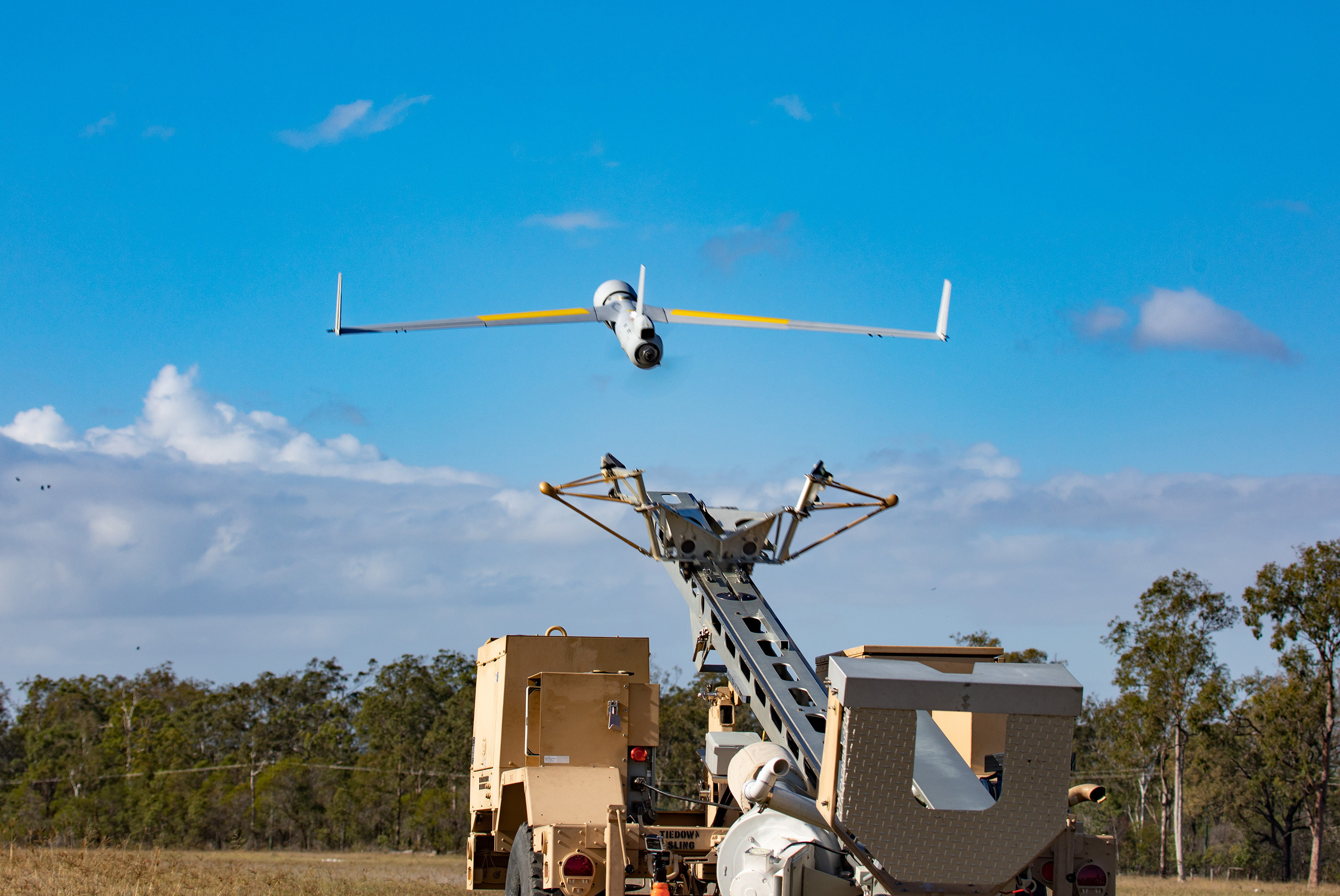
Operated from more than 50 land-based sites worldwide.
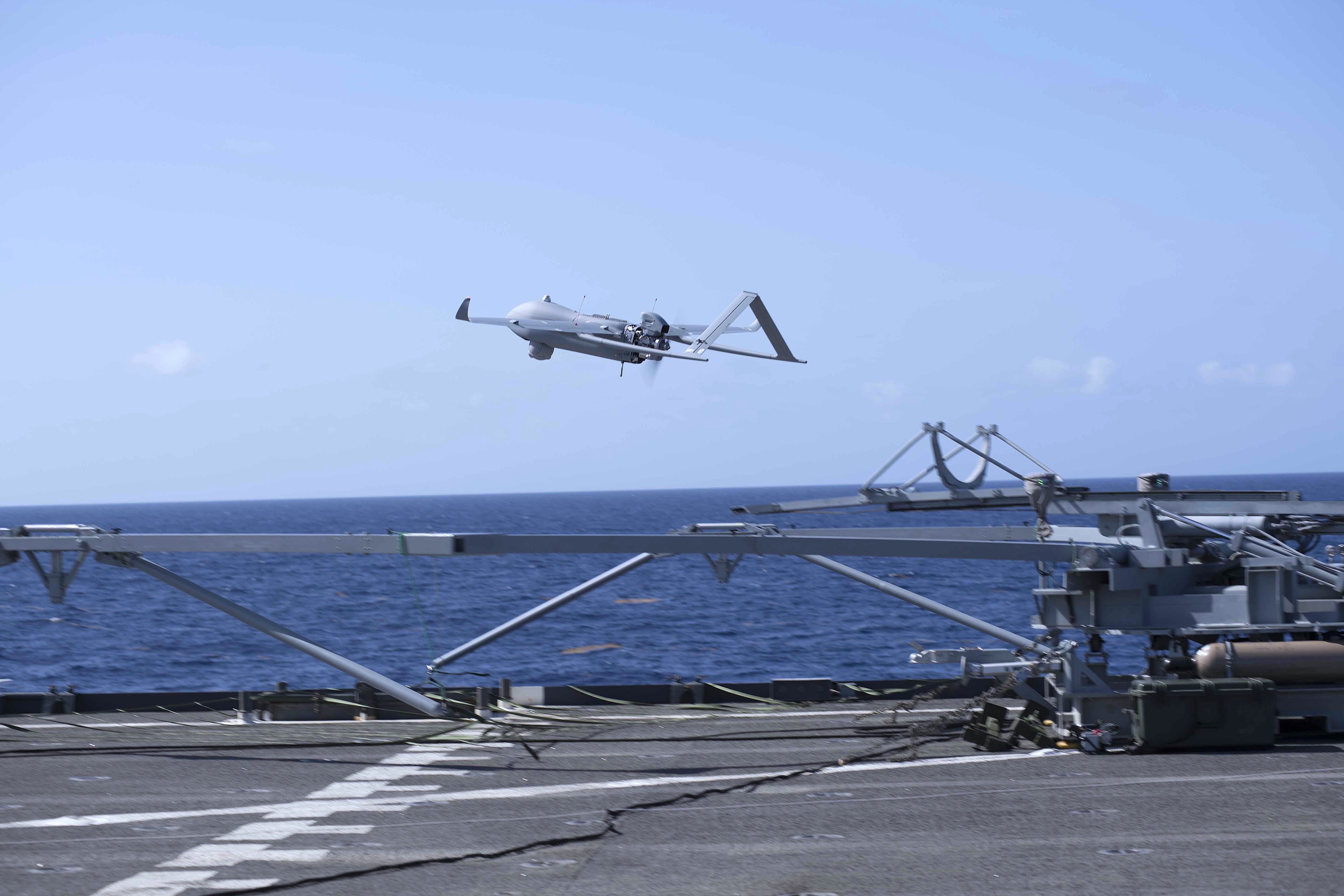
More than 50 UAS installations aboard Navy and Military Sealift Command ships.
2005
PMA-263, the Navy and Marine Corps Small Tactical UAS program office, has delivered ISR since 2005
12+
Ships carrying these systems today
4 Fleets
The 4th, 5th, 6th and 7th, plus Marine Corps and joint commanders ashore
6th Fleet
Where sailors logged the one-millionth hour, on a routine mission
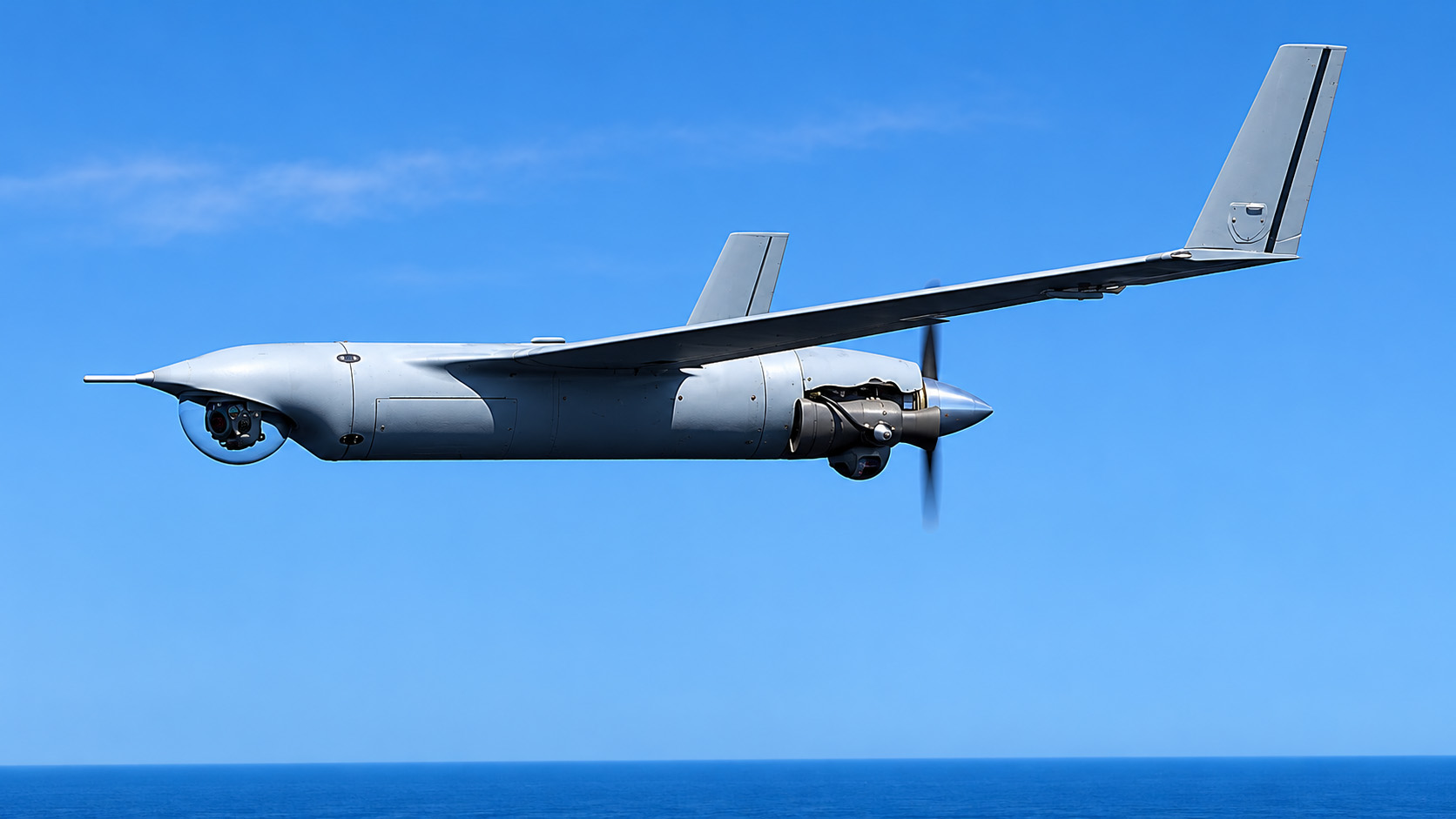
The aircraft doing this work are the Boeing Insitu MQ-27 ScanEagle and the Textron Aerosonde Mk 4.7. They fly day and night, sending full-motion video and other sensor data to the people who need it. That information shapes tactical decisions in the moment, builds long-term intelligence, and strengthens the maritime domain awareness the fleet depends on.
The Navy and Marine Corps Small Tactical UAS program office, PMA-263, has been delivering ISR since 2005. In that time it has completed more than 50 UAS installations aboard Navy and Military Sealift Command ships and operated from more than 50 land-based sites worldwide. Today, more than a dozen ships carry these systems, supporting the 4th, 5th, 6th and 7th Fleets as well as Marine Corps and joint commanders ashore.
One million hours of that work reflects years of dependable service in demanding environments, where persistence, readiness and trusted performance matter most.
Orbital propulsion systems are fitted to both the Boeing ScanEagle and the Textron Systems Aerosonde Mk 4.7 in a fixed-wing configuration. These are the two aircraft families behind the Navy milestone, and both have become proven assets in naval and expeditionary ISR.
Picture the mission. An aircraft launches from the deck of a ship or a remote land site. It is tasked to hold over an area through the day and into the night, sending back the picture that commanders are waiting on. There is no runway nearby and no hangar down the road. Whatever happens, the aircraft must keep flying and come home.
In that setting, propulsion is a mission-critical enabler and not simply a component.
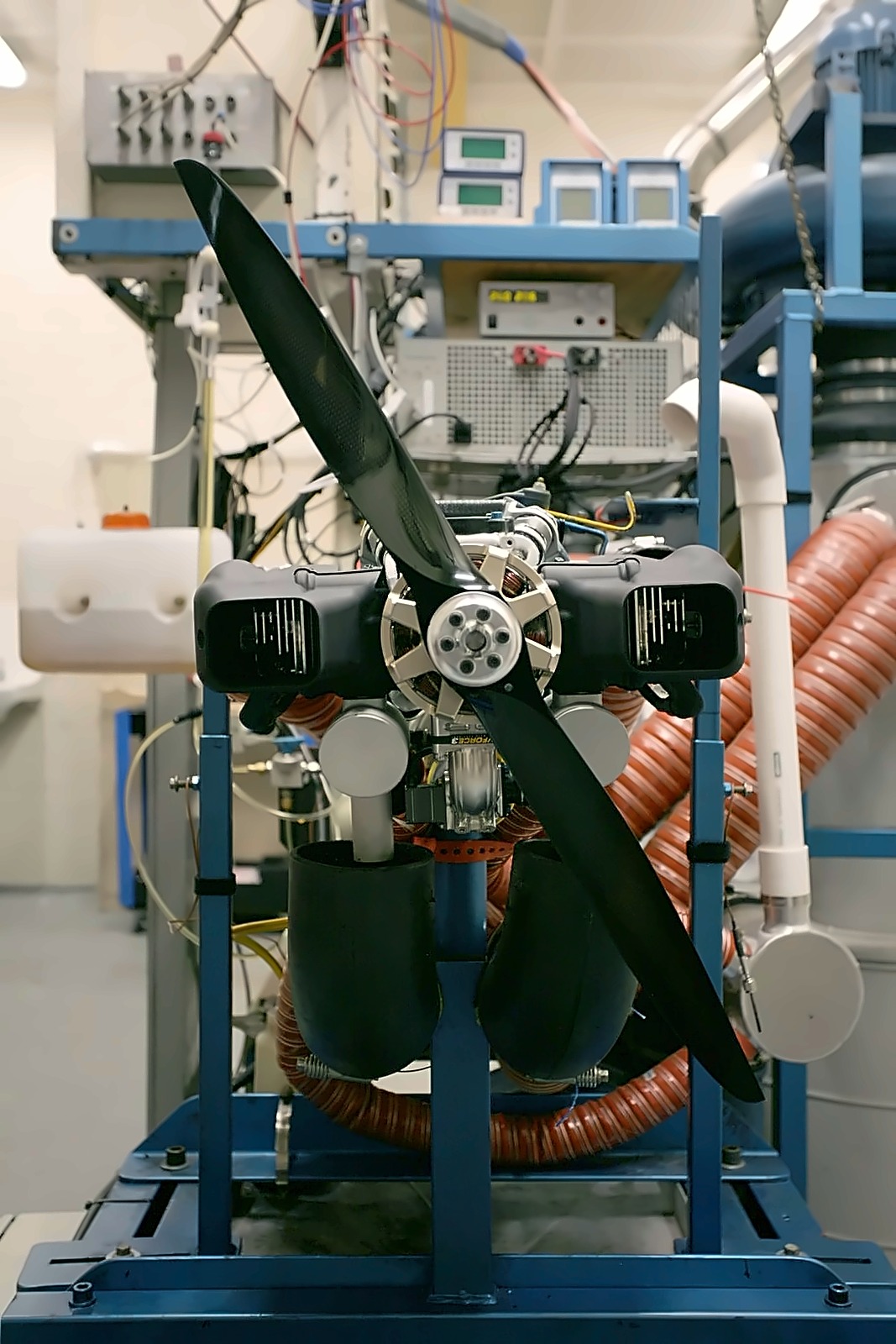
At sea, the fuel on hand is heavy fuel such as JP-5. The ScanEagle can run on JP-5 or JP-8, and Orbital’s heavy fuel engines are built to run on exactly these fuels. That lets the aircraft draw on the same fuel supply as the rest of the fleet, without the burden of carrying gasoline aboard ship.
The success of a long-endurance UAV program depends on more than the platform. It depends on the reliability, efficiency and durability of the propulsion system behind it.
Aircraft launch into salt spray, heat, cold, dust and rain, and they are expected to perform the same way every time. Orbital engines are designed and proven for that reality.
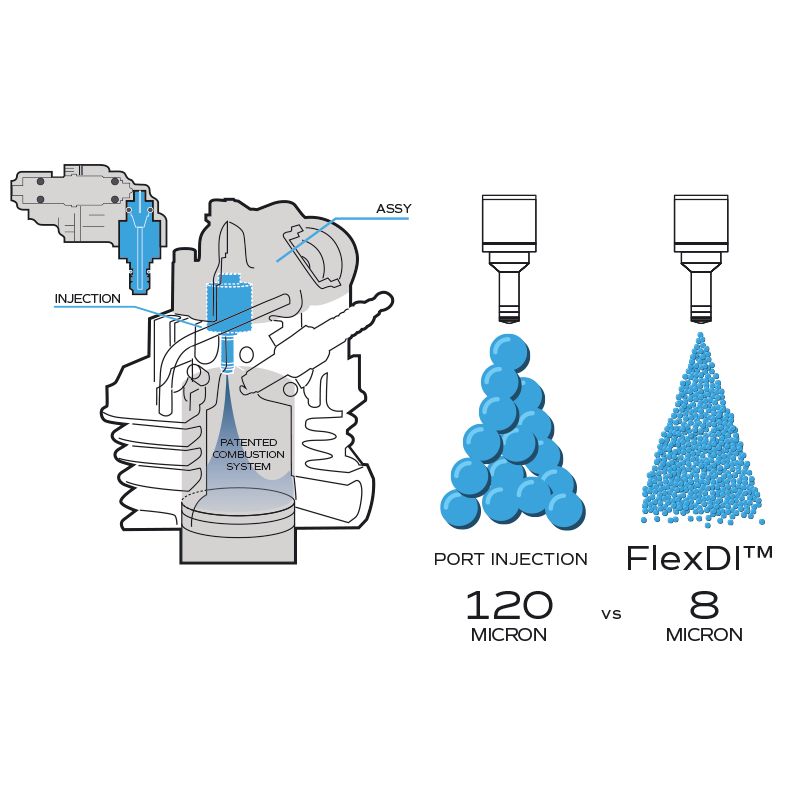
At the heart of our heavy fuel engines is FlexDI™, our air-assisted direct injection system. It atomizes fuel into droplets of about 8 microns, compared with roughly 120 microns in conventional systems. Combustion efficiency begins with that precision, and it shows up where operators feel it.
Up to 40%
Lower specific fuel consumption at cruise, for more time on station
−30°C
Reliable cold starts at −30°C (−22°F)
20,000 ft
Operation from sea level to 20,000 feet
Multi-fuel
JP-5, JP-8, Jet A/Jet A-1 and gasoline
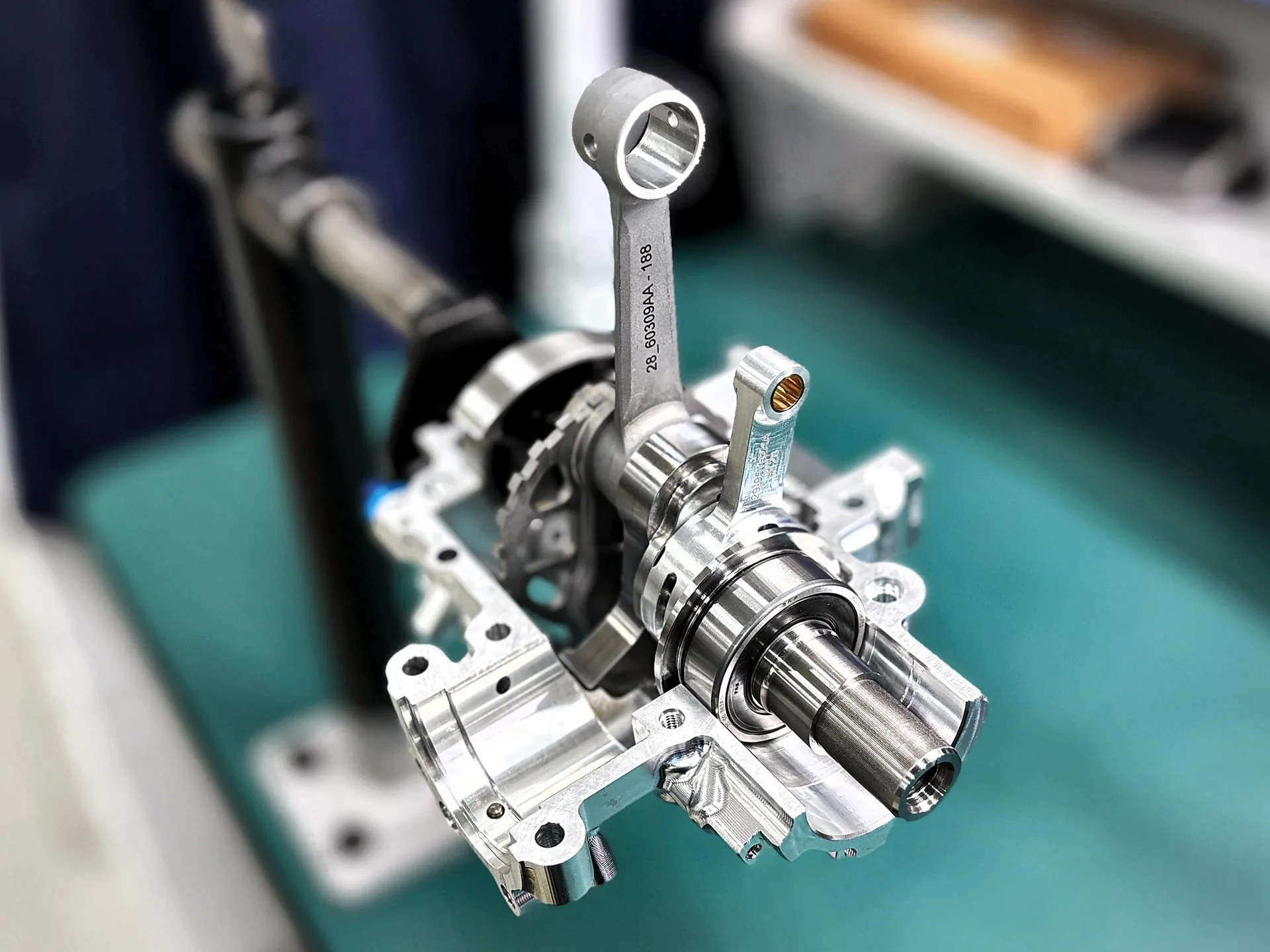
Three FAR 33.49 150-hour endurance tests
Validating our heavy fuel technology
Qualified to MIL-STD-810H
Built under an AS9100D-certified quality system
Precision metrology on critical parts such as crankcases
Reliability starts long before first flight
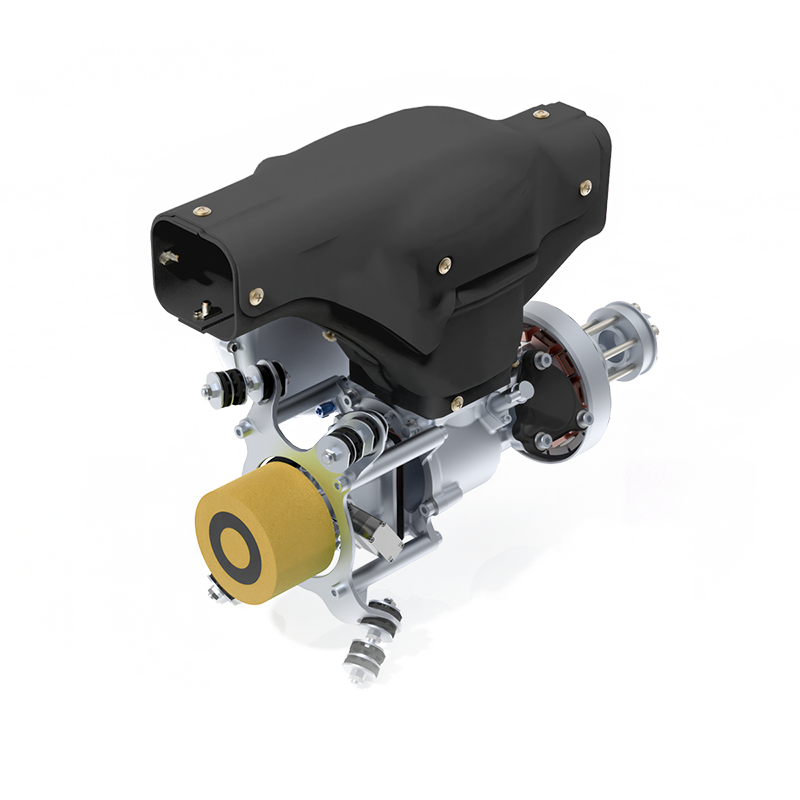
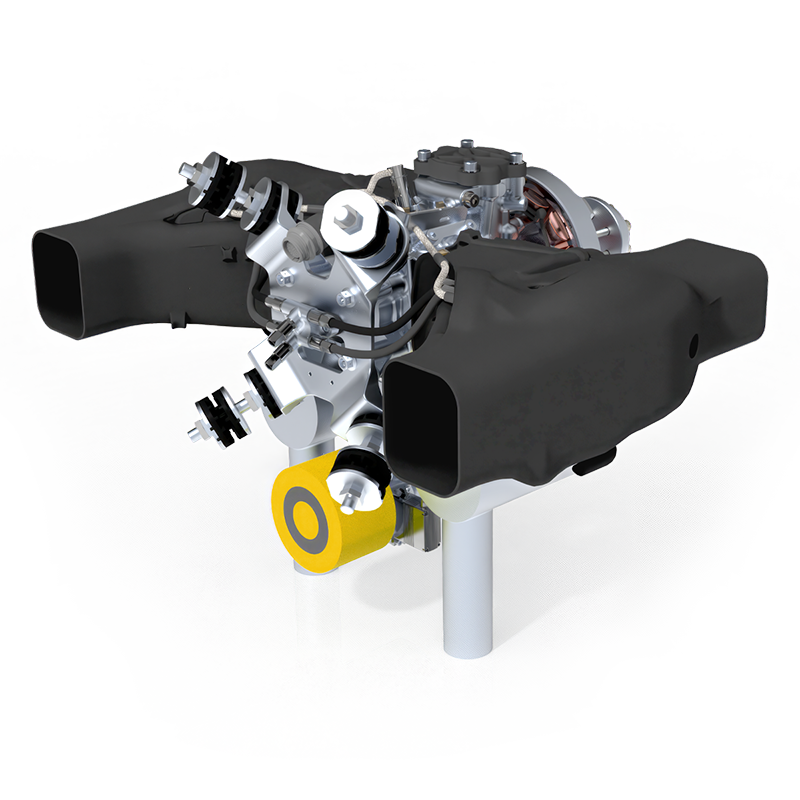
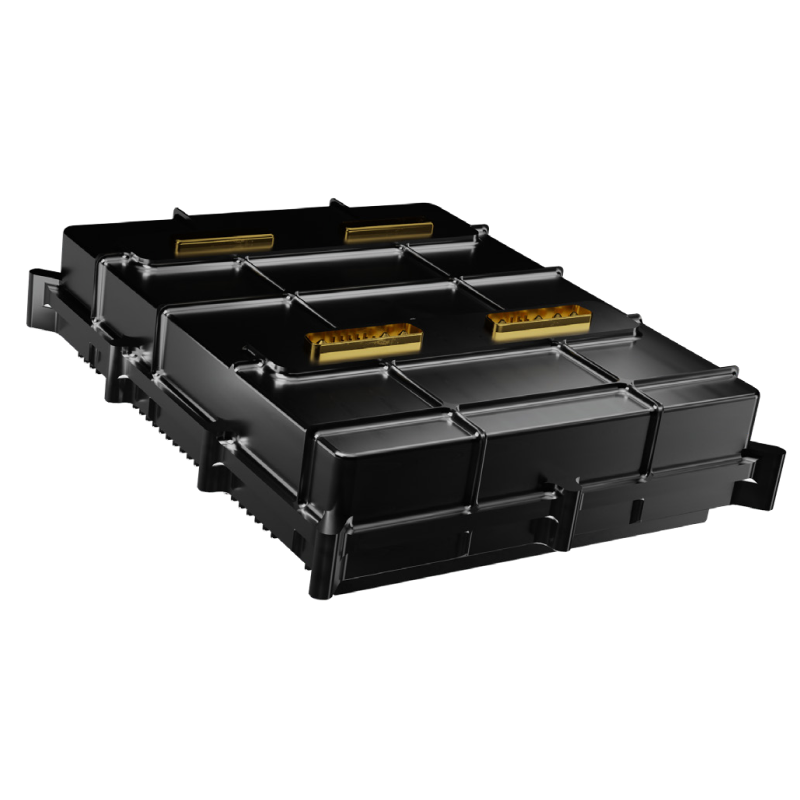
Today the Orbital range spans the 50HFE, 75HFE, 150HFE and 350HFE heavy fuel engines, from 3.6 to 28.4 horsepower, alongside our power management system. Each draws on two decades of UAV propulsion experience, from a company that has been engineering engines since 1988.
Explore the rangeA million hours is not flown by engines that are only reliable on day one; it is flown by engines that are maintained, overhauled, supported and improved across years of service.
That matters even more because of how the Navy buys this capability. Under the ISR services model, the government pays for ISR, not hardware. The operator owns and maintains the aircraft and deploys field service representatives alongside sailors and Marines. Availability is the product, and every hour lost to a maintenance issue is an hour of coverage the fleet does not get.
Orbital’s Mission Assurance Support is built for that kind of accountability. It is available to every customer and covers:
Availability-first service level agreements
In-flight and post-flight telemetry, with black-box logging
Planned overhauls and firmware updates
Spares and repairs
Field support and training
Fleet performance reporting
Orbital is headquartered in Perth, Western Australia, but the programs our engines support fly for American sailors and Marines. That is why Orbital USA exists.
Orbital USA keeps us close to the people who design, build and operate the aircraft our engines power. It means shorter lines of communication, faster answers and support on U.S. time.
It also means our American customers have a partner in the United States, backed by our engineering and production team in Western Australia.
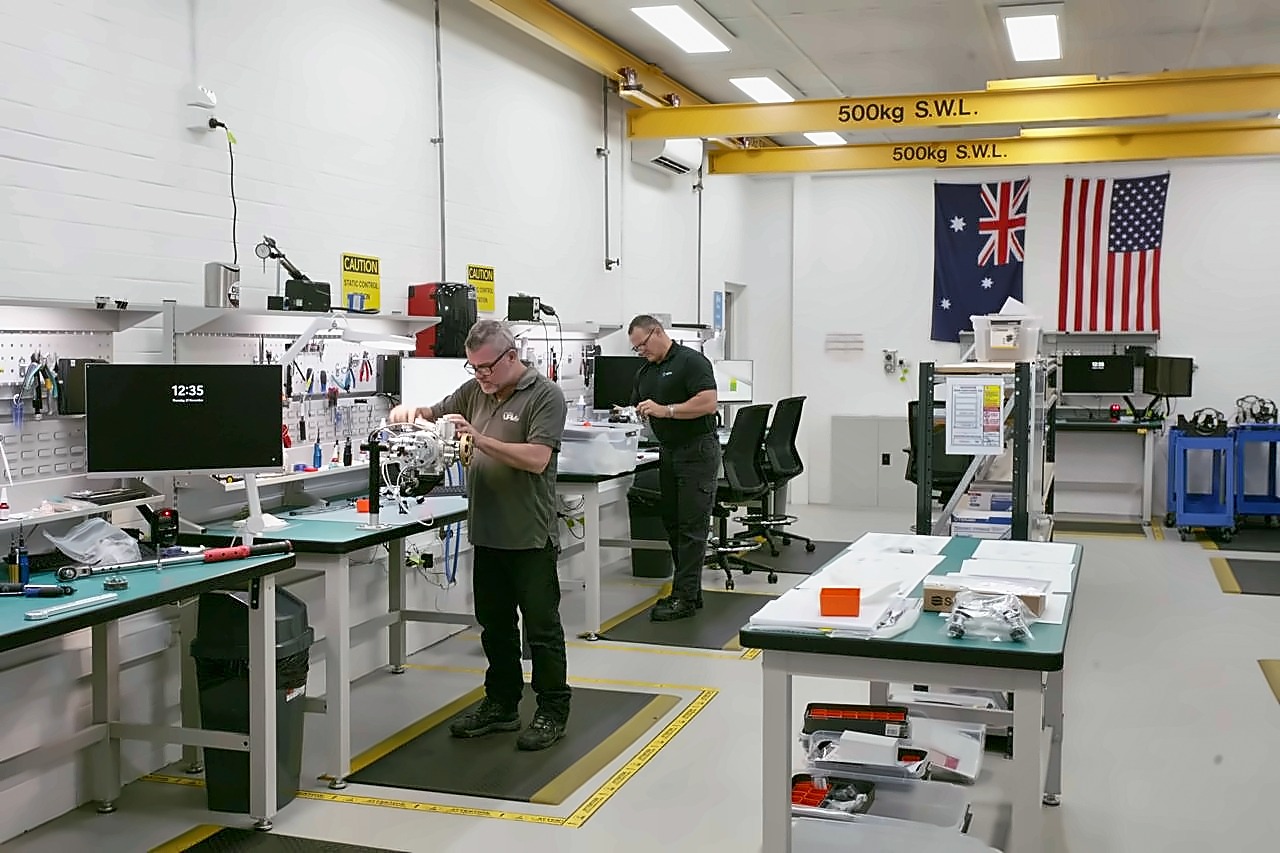
When a question comes in from the flight line, we want the answer to come from someone who understands the aircraft, the mission and the stakes.
Customer support on U.S. time
Address
210 Wasco Loop, Hood River, OR 97031 USA
Phone
TBA
contact@orbitalcorp.com.au

Headquarters · Engineering and production
Address
4 Whipple Street, Balcatta, Western Australia, 6021
Phone
+61 (08) 9441 2311
contact@orbitalcorp.com.au
In March 2026 the U.S. Army launched its UAS Marketplace, an “Amazon-style” digital storefront where units can quickly buy vetted drone capabilities. Within months it passed $750 million in sales. In August the Army added Group 3 systems, along with payloads, components and software. These larger aircraft bring greater speed, range and endurance, for missions that need persistence, stand-off reach or more rugged systems. The Marketplace now sits within the Department of War’s wider Drone Marketplace, and 23 allied partner nations have signed intent agreements under the Foreign Military Sales Fast Lane initiative.
Mar 2026
U.S. Army launches its UAS Marketplace
$750M+
In Marketplace sales within months
Group 3
Systems added in August, with payloads, components and software
23
Allied partner nations signed under the FMS Fast Lane initiative
This is more than a new procurement portal. It changes how capability is selected, bought and fielded, and it is real evidence that winner-take-all programs of record are giving way to something more open. That is good news for small and mid-sized companies, which have traditionally struggled to compete with large OEMs for those contracts.
Open does not mean easy. To compete, manufacturers will need compliant supply chains, cyber and security approvals, interoperability, scale and commercial readiness. For Australian and allied UAS companies, the opportunity is significant, but only for those that build the business and supply chains to compete, not just the technology.
Longer-endurance aircraft need the efficiency, durability and fuel compatibility behind the Navy milestone. Our Mission-Ready Engines are pre-qualified, standardized configurations with documented performance maps and accelerated lead times, so integrators can move at the speed these new marketplaces demand.
One million flight hours belongs to the sailors, Marines and field teams who flew them, and to the program that made it possible. We are proud that Orbital engines are part of that story, and proud to support one of the world’s most proven naval UAS programs.
The next million hours will be flown in new places, on new aircraft, bought in new ways. Our commitment does not change: propulsion that is engineered to win, supported for the long haul and close to the mission.
Share timelines, quantities, and target budgets - we’ll map the best path (Partnership or Mission-Ready).
Bring your platform specs, payloads, and constraints - we’ll recommend the right engine/PMS configuration.
Access product brochures, platform overviews, and key technical documents in one place.
Download the files you need to compare configurations, review specifications, and share internally with your team.